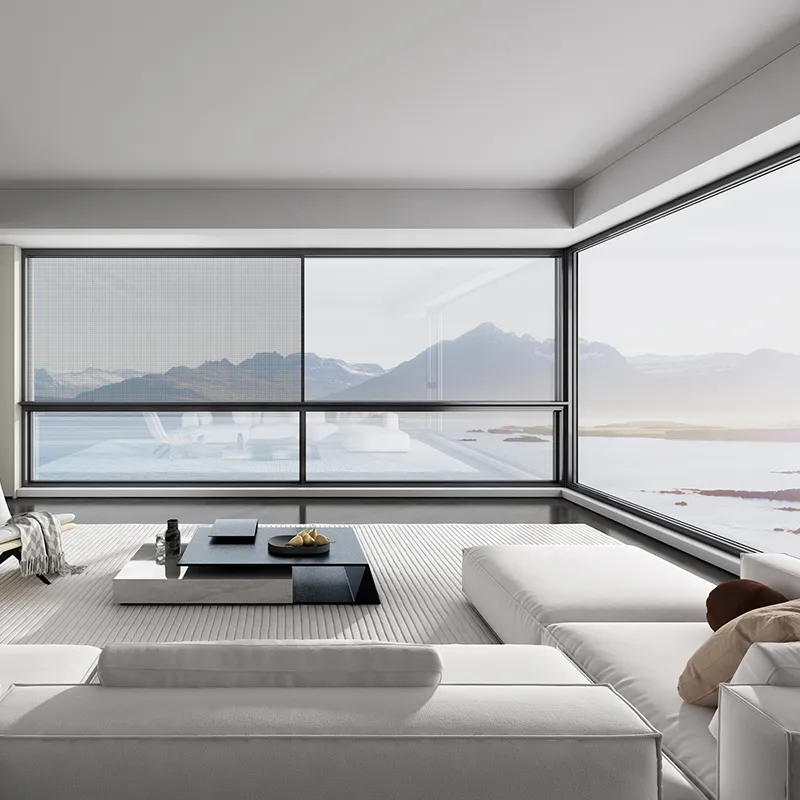
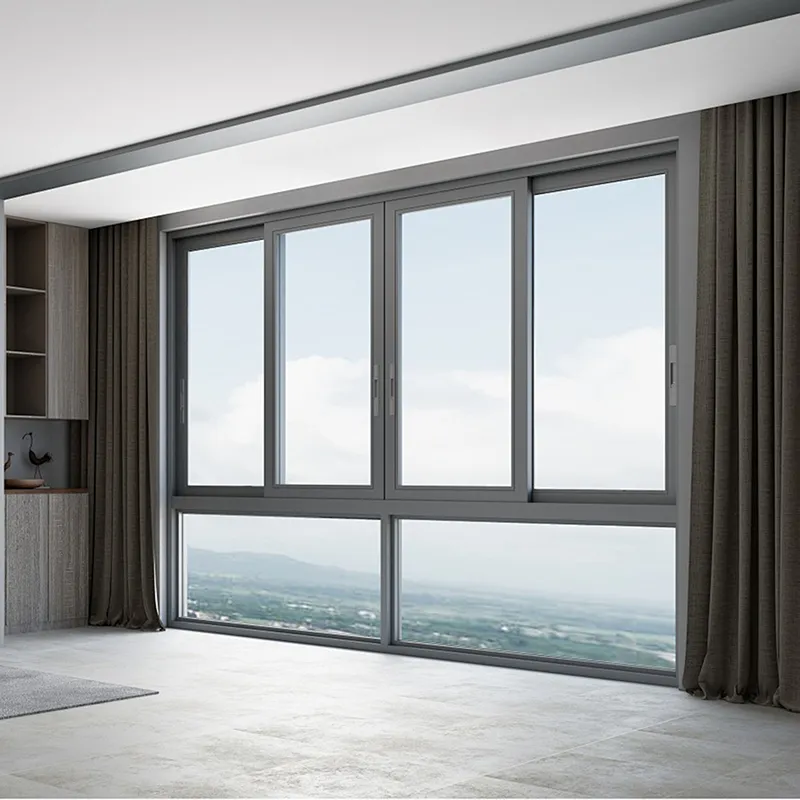
Quick answer: Coastal window selection starts with the site exposure, not a single material label. Salt air, wind-driven rain, humidity, solar load and maintenance access should be translated into a frame finish, hardware, seals, drainage detail and installation method that the supplier can document for the project.
A product that works on a sheltered inland elevation may need a different finish, fixing detail or maintenance plan beside an exposed coast. The opening schedule should describe the exposure so the quotation can be assessed against the same conditions.
Describe the exposure before choosing the frame
Record distance from the shoreline, prevailing wind, building height, orientation, shelter from neighbouring structures, rainfall, external shading and access for cleaning. A balcony under a deep roof and a high-rise façade facing open sea do not create the same duty. The designer should also note whether the opening is near a pool, industrial atmosphere or a road where deposits may build up.
Use that description to ask for the applicable corrosion, weathering and weather-performance evidence. Avoid treating “coastal” as a universal rating unless the supplier defines the test, exposure class and configuration behind the claim.
Finish and hardware work as a system
The visible finish, pretreatment, coating, fasteners, hinges, rollers, locks and handles are exposed together. A durable frame finish does not remove the need to specify compatible hardware and sealants. Ask which surfaces require inspection after cutting, drilling or installation and which cleaning products are permitted.
For sliding or folding systems, rollers and tracks deserve special attention because salt and airborne grit can affect movement if drainage and cleaning are ignored. For hinged windows and doors, check hinges, stays, locks and exposed screws as part of the same maintenance plan.
Drainage, seals and the wall interface
Coastal weather makes the sill, threshold and wall junction more important. Draw the fall, weeps, end dams, flashing, membrane, sealant and internal finish. Confirm that drainage paths remain open after render, cladding, flooring and insect screens are installed. A blocked weep or discontinuous seal can defeat a well-selected frame.
Ask for the air, water and wind test basis for the complete opening and identify whether the test includes the proposed size, panel count, threshold and hardware. Installed performance depends on the junction and workmanship as well as the frame.
Maintenance is part of the specification
- Define how often frames, tracks, seals and hardware will be rinsed or cleaned.
- Provide a route for safe access to high or recessed openings.
- Record approved detergents and the products that could damage the finish or seals.
- Set a check for blocked drainage, damaged gaskets, loose fixings and early coating damage.
- Keep the installed configuration and supplier maintenance document with the handover pack.
Questions for a coastal quotation
- What exposure assumptions and test documents support the proposed finish and opening?
- Which hardware, fasteners, seals and drainage details are included?
- Does the evidence match the requested dimensions and opening type?
- What cleaning, inspection and touch-up schedule is recommended?
- Which details must the installer follow at the sill, threshold and wall interface?
Use the coastal and exposed-sites solution to frame the design questions, then compare the available system families and share drawings through the project contact page. The service workflow can keep finish, hardware and installation notes together.
Evidence and scope
This guide is a coastal specification checklist, not a corrosion warranty or a claim that one finish suits every shoreline. Final exposure classification, coating system, hardware, test evidence and maintenance obligations must be confirmed for the site and destination requirements. For regulatory context, consult the Construction Products Regulation and the supplier’s current technical documentation.